
Breathing Problems and Low Oxygen Levels: Why More People Buy Pulse Oximeter Devices for Daily Health Monitoring
Asthma, COPD, allergies and respiratory infections make breathing harder and drain your energy. These conditions disrupt sleep, limit your work and turn simple tasks, such as climbing stairs into a struggle.
Your blood oxygen level shows how well your lungs deliver oxygen to the rest of your body. When it drops too low, your organs cannot work properly. Regular monitoring helps you notice changes early and gives your doctor accurate numbers to review.
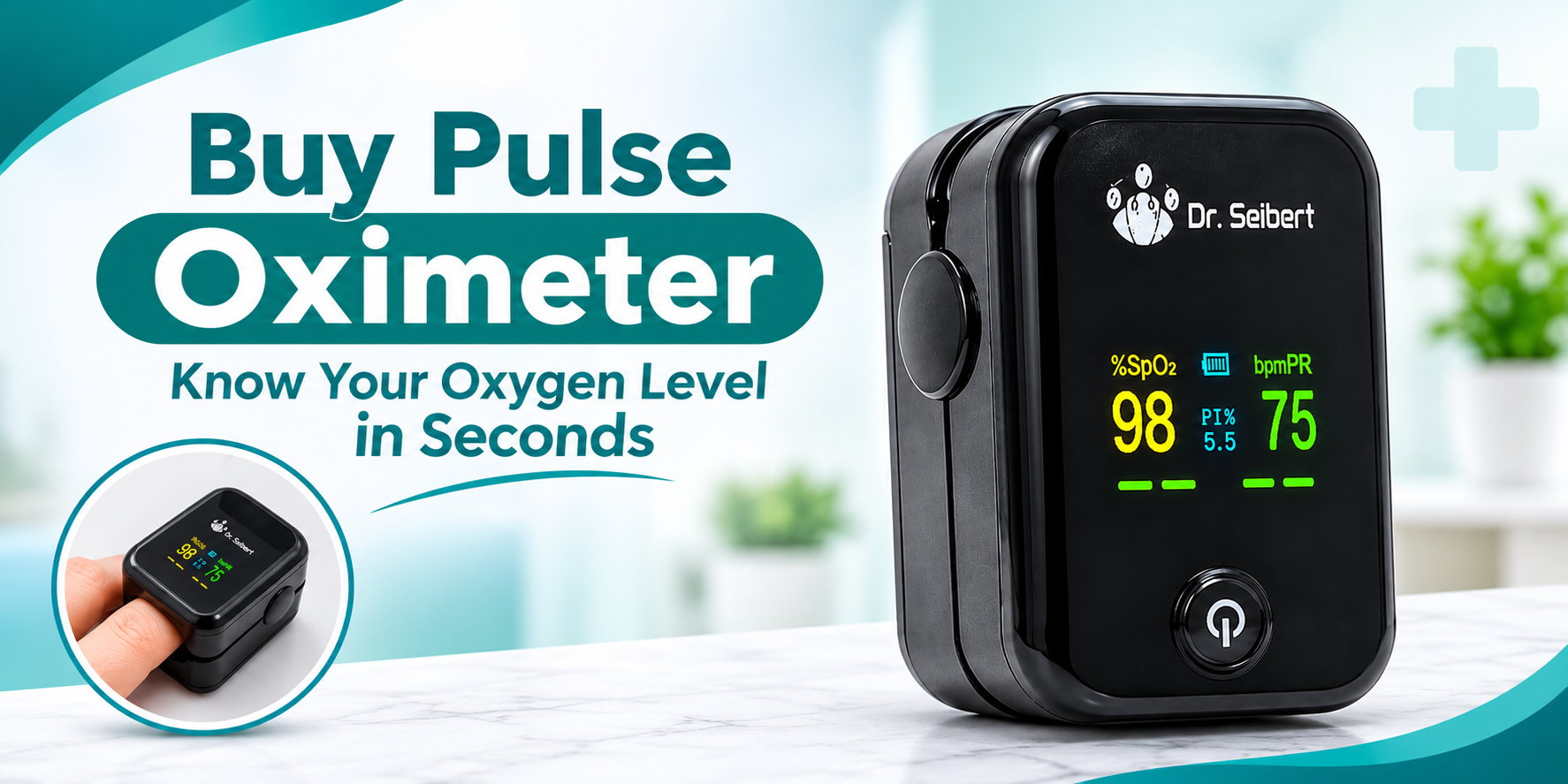
That is why more families now buy pulse oximeter devices for home use. A finger pulse oximeter clips onto your fingertip and displays your oxygen saturation and pulse rate within seconds. It requires no needles, causes no pain and fits easily into a pocket or bag.
Most healthy people read between 95% and 100%. Before you measure rest for a few minutes keep your hand warm and still and remove any nail polish. Record your readings daily to spot patterns.
Common Causes of Breathing Problems and Low Oxygen Levels
Many conditions and environmental factors can make breathing difficult and lower your blood oxygen level. The most common causes include:
- Asthma: Inflamed airways narrow, which causes wheezing, coughing and chest tightness.
- COPD: Long-term lung damage, often from smoking, restricts airflow and reduces oxygen intake.
- Respiratory infections: Pneumonia, flu and COVID-19 inflame the lungs and make oxygen transfer harder.
- Sleep apnea: Breathing repeatedly pauses during sleep and causes oxygen levels to dip overnight.
- Heart conditions: A weak heart cannot circulate oxygen-rich blood efficiently.
- Air pollution and allergens: Smoke, dust and pollen irritate the airways and trigger symptoms.
- High altitude: Thinner air at high elevations lowers the oxygen available in each breath.
Because several of these causes develop slowly, you may not notice the early warning signs. A finger pulse oximeter lets you check your oxygen level at home and track changes over time. If your readings stay low or if breathlessness continues, see your doctor for a proper diagnosis.
How a Finger Pulse Oximeter Helps Monitor Oxygen Levels at Home
A finger pulse oximeter makes daily oxygen monitoring simple. You clip the device onto your fingertip, and it shines a light through your skin. Oxygen-rich blood absorbs light differently from oxygen-poor blood, so the device uses this difference to calculate your oxygen saturation (SpO2) and pulse rate. The result appears on the screen within seconds.
Here is how it supports your health at home:
- Gives instant results: You see your SpO2 and pulse rate in about 10 to 15 seconds.
- Tracks daily patterns: Regular readings show how your levels change with activity, illness or sleep.
- Detects changes early: A steady drop alerts you before symptoms get worse.
- Supports your doctor: Your recorded numbers help your doctor make better decisions.
- Reassures your family: Caregivers can check an older relative quickly, without a hospital visit.
If you plan to buy pulse oximeter devices for your home, choose a model with a clear display and a simple one-button design. A reliable device gives you confidence and keeps your whole family prepared.
What to Check Before You Buy a Pulse Oximeter for Home Use
Not every device gives the same quality of results. Before you buy pulse oximeter devices for your home, check these key points:
- Display quality: Choose a bright, clear screen with large digits. Older family members will read it easily.
- Accurate readings: Look for a device that shows both SpO2 and pulse rate, and buy from a trusted brand.
- Ease of use: Pick a simple one-button design that works in seconds.
- Comfortable fit: Make sure the finger pulse oximeter fits adults and fits securely without pinching.
- Battery life: Select a model with long battery life, or one that alerts you when the battery runs low.
- Certification and quality: Check that the product meets recognised medical device standards.
- Warranty and support: Choose a seller that offers a warranty and reliable after-sales service.
Always buy from a trusted healthcare supplier. A genuine product gives you dependable readings and protects your investment. Explore quality options at Seibert Healthcare and choose a device that fits your family’s needs.
When Should Low Oxygen Levels Become a Medical Concern?
A finger pulse oximeter gives you useful numbers, but you need to know what they mean. Most healthy people have an oxygen saturation (SpO2) of 95% to 100%. Contact your doctor if your readings stay below 94%, or if they keep dropping over several days. If your reading falls to 90% or lower, seek urgent medical care.
Watch for these warning signs, whatever the number shows:
- Shortness of breath at rest or during light activity
- Chest pain or tightness
- Confusion, dizziness, or extreme drowsiness
- Bluish lips, face, or fingertips
- A fast heartbeat that does not settle
Some people, such as those with COPD, have different target ranges. Follow the targets your doctor gives you.
Cold hands, nail polish, and movement can also cause false low readings. Rest, warm your hand and measure again before you worry. If you feel severely breathless do not wait for a second reading. Call emergency services immediately.
Frequently Asked Questions
1. What is a normal oxygen level?
Most healthy people have an SpO2 reading between 95% and 100%. Your doctor may set a different target if you have a lung condition such as COPD.
2. Can I use a pulse oximeter at home?
Yes. Most finger pulse oximeters are easy to use and suit home monitoring. Rest for a few minutes, keep your hand warm and still, and wait for the number to settle before you record it.
3. Does a pulse oximeter diagnose breathing problems?
No. A pulse oximeter only tracks your oxygen level and pulse rate. Your doctor must diagnose the cause of any breathing problem.
4. Why does my reading seem low?
Cold hands, nail polish, poor circulation, and movement can cause false low readings. Warm your hand, remove any nail polish, stay still and measure again. If your reading stays low, contact your doctor.