
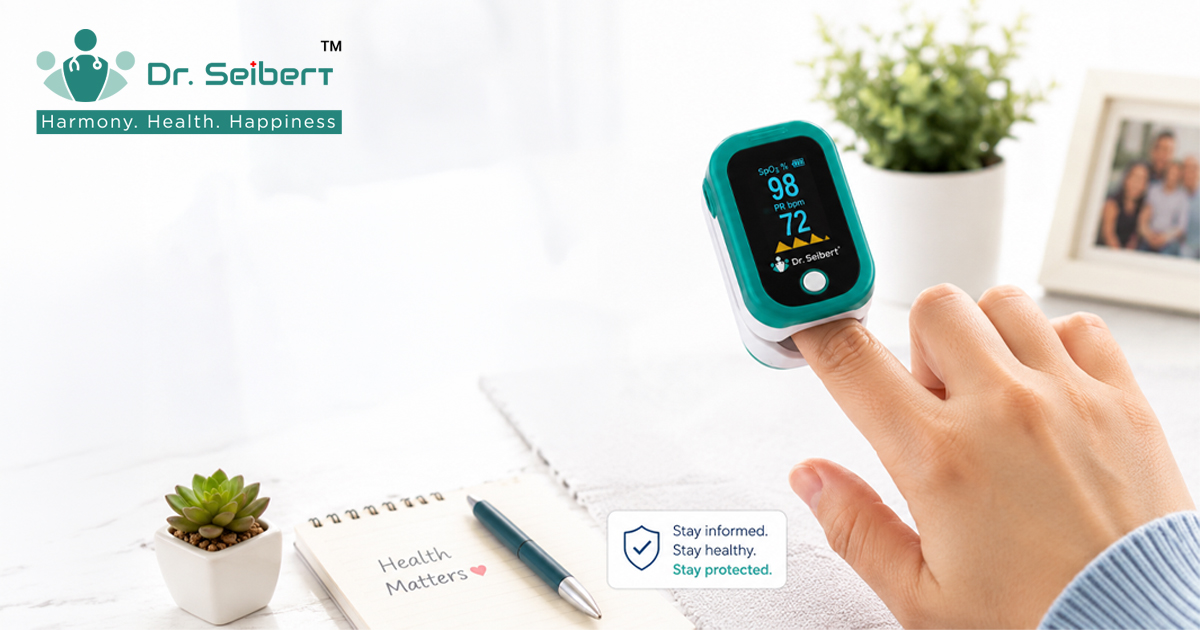
Best Pulse Oximeter for Home Use: How to Choose the Right One for Accurate Monitoring
The pulse oximeter is a tiny gadget used to measure the blood oxygen saturation (SpO2) level and the pulse rate. When you want to buy a good pulse oximeter for your home usage, you do not need to look for the most costly one but find out which is reliable and convenient.
As there are many different fingertip pulse oximeters on the market today, knowing the basics may simplify the process of buying. There are just a few factors that may matter.
What Does a Pulse Oximeter Measure?
Pulse oximeters normally show two main numbers, which include SpO₂ (oxygen saturation) and heart rate. They normally fasten on a finger and use light to estimate the percent of oxygen saturation in blood.
In most cases, the normal oxygen saturation levels range from 95% to 100% for many healthy individuals who are at sea level. There are several reasons for fluctuations in the levels of oxygen saturation including height, coldness in the fingers, motion, poor circulation, nail polish and positioning of the device.
A pulse oximeter is a monitoring equipment and not a substitute for medical advice or diagnosis.
Best Pulse Oximeter for Home Use: Features to Look For
1. Consistent and Reliable Readings
It is important to consider accuracy when choosing a pulse oximeter for comparison purposes. Seek out a pulse oximeter from an established company that meets the requirements set forth by relevant medical devices standards.
Remember that a home pulse oximeter should not be considered completely reliable. Any discrepancy in the readings in relation to how you feel warrants consideration as opposed to dismissal.
2. Easy-to-Read Display
Good visibility makes home monitoring easier. Big, easily visible numbers could be particularly useful for senior people or those having problems with small displays.
Sometimes, you can see devices that have the option to change the orientation of the screen.
3. Comfortable Fingertip Design
Pulse oximeters need to have a proper fit but not too tight to cause discomfort. Improper fitting makes measurements harder to achieve.
In case of repetitive use, consider the design of the clips of the pulse oximeter, size, weight, and general comfort of the device. Sometimes, simpler devices work better than complicated ones with all sorts of features.
4. Simple Operation
Ease of use is important for home users. A good fingertip pulse oximeter needs to be user friendly, with not much to set up before you use it.
An automatic start up, single button operation, and user-friendly display would help here.
5. Battery Life and Portability
When considering keeping the pulse oximeter at home, it might be less significant for it to have long battery life. On the other hand, when going on a trip, it is desirable that the pulse oximeter be small enough to carry and have reliable battery power.
Be sure to check which kind of batteries does the model use – regular or rechargeable ones.
How to Get a More Reliable Pulse Oximeter Reading
Even the best piece of equipment will generate erroneous readings if improperly operated. Take your time before conducting any measurements, resting quietly and making sure your hand is relaxed.
If your hands are cold, it might affect blood circulation and thus influence the readings. In case you see that dark nail polish or artificial nails have an effect on your readings, remove them.
Make sure you attach the oximeter properly to your finger and don’t move your hand during the process. Instead of taking the first reading displayed, wait until it stabilizes.
It is also helpful to conduct measurements under the same conditions in order to monitor your progress.
When Should You Pay Attention to an Oxygen Reading?
A single surprising number does not always give a full account. There are certain factors that can influence oxygen saturation in an individual’s body such as his/her health state, altitude, circulation and method of measurement.
In case of a surprisingly low number of oxygen saturation, one needs to check whether the device is properly placed and measure again after resting. In case of persistent low results or any signs like shortness of breath, chest pain, disorientation or cyanosis, one needs to see a doctor right away.
Patients with respiratory or cardiac diseases need to follow the instructions of a medical specialist concerning measurement of oxygen saturation.
Where to Find a Suitable Pulse Oximeter
When shopping for the best pulse oximeter for home use, consider the manufacturer’s reputation, product specifications, ease of operation, and intended use. A dependable medical equipment supplier can also be a useful source of product information and guidance.
You can explore available pulse oximeter options at Seibert Healthcare and compare the features that matter most for your home-monitoring needs.
Conclusion
Choosing the appropriate best pulse oximeter for home use does not necessarily need to be difficult. Some key features to consider include reliability, comfort of use, clarity of display, ease of use, and manufacturer. Equally important, users must know how to operate the device properly and remember that the readings provided by pulse oximeters should be viewed in context.
A reliable pulse oximeter, when used appropriately, can serve as a convenient monitoring tool at home. If the readings are alarming or consistent along with other symptoms, then consulting a doctor must take precedence over the readings from a personal device.