
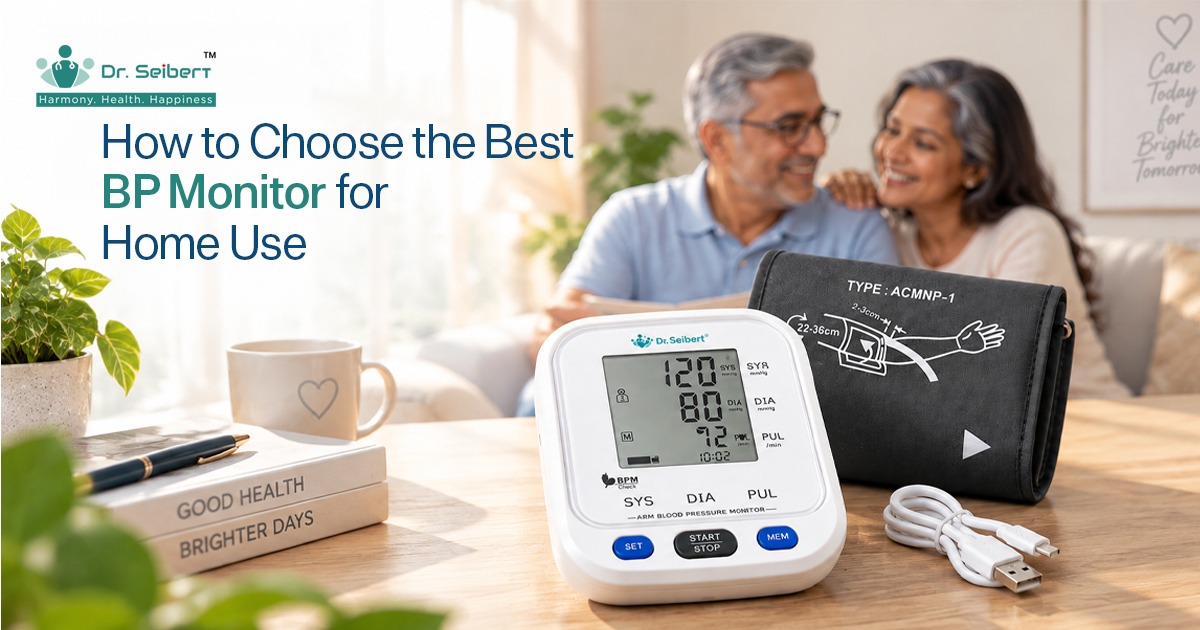
How to Choose the Best BP Monitor for Home Use
My uncle bought three different blood pressure monitors in two years before he found one that gave him consistent numbers. Two were wrist models that gave wildly different readings depending on how he held his arm. The third, an upper-arm digital one, finally settled things down. That’s the thing nobody tells you when you’re shopping for a BP monitor for home use — the “best” one isn’t the fanciest or the most expensive. It’s the one that fits your arm, your routine, and gives you numbers you can actually trust.
I’ve talked to a couple of nurses about this over the years, mostly because my own family has a history of hypertension, and the advice is almost always the same: skip the gadgets that look impressive and focus on the boring stuff — validation, cuff size, and consistency.
Why Bother Checking Blood Pressure at Home in the First Place
A single reading at the doctor’s office isn’t the whole picture. Numbers move around during the day — after coffee, after a stressful phone call, even after climbing a flight of stairs. And plenty of people get nervous the moment a doctor puts a cuff on them, which pushes the reading up for no real medical reason.
Checking at home, especially at the same time every day, gives a far more honest trend line. It’s also the kind of data your doctor can actually use to adjust medication instead of guessing from one number taken in a rushed 10-minute appointment.
The Three Main Types You’ll Run Into
Upper Arm Monitors
Most doctors will point you here first. The cuff sits close to heart level, which just makes the physics of the reading work better.
Wrist Monitors
Small, easy to toss in a bag, but fussy. If your wrist isn’t exactly level with your heart when you take the reading, the number can swing more than you’d expect.
Fingertip Monitors
Fine for a quick check, not something I’d rely on if you’re actually managing a condition long-term.
A side note worth mentioning here — a lot of households that buy a BP monitor eventually pick up a blood oxygen monitor too, especially since the last few years made pulse oximeters far more common in home medicine cabinets. If someone in the house has breathing issues or is recovering from an illness, having both readings side by side tells you a lot more than either one alone.
What’s Actually Worth Checking Before You Buy
Forget the box art and the “clinically proven” stickers for a second. These are the things that genuinely matter:
- Whether it’s been validated by an actual clinical body (ESH, AAMI, or BHS are the ones to look for)
- Cuff size that matches the arm it’ll be used on — not “one size fits most”
- A display that’s easy to read without squinting, especially for older users
- Irregular heartbeat detection, which cheaper models often skip entirely
None of this is complicated, but it’s exactly the stuff people skip when they’re comparing prices online.
Digital or Manual — Does It Even Matter for Home Use?
Manual monitors, the ones with a hand pump and a stethoscope, can be extremely accurate — but only in the hands of someone trained to use them properly. That rules out most households. For everyday home use, digital wins simply because it takes the guesswork out.
| Feature | Digital BP Monitor | Manual BP Monitor |
| Ease of use | Simple, one-button operation | Needs practice and steady hands |
| Accuracy | High, if cuff fits correctly | Very high, but skill-dependent |
| Best suited for | Home users, elderly patients | Clinics, trained professionals |
| Extra features | Memory storage, heartbeat alerts | None built in |
| Learning curve | Almost none | Fairly steep |
If you’re shopping for a parent or someone managing their blood pressure on their own, a reliable digital option — like the ones on Seibert Healthcare’s digital BP monitor page — removes a lot of the friction while still holding up to proper clinical standards.
A Quick, Practical Way to Narrow It Down
- Figure out who’s actually going to use it day to day — simplicity matters more than features for elderly users.
- Look for clinical validation before you even look at the price.
- Measure the arm and match it to the cuff size, don’t eyeball it.
- Check if it stores readings for more than one person, useful if the whole household shares it.
- Read reviews from real buyers, not just the description on the product page.
Mistakes I See People Make Constantly
The most common one? Buying based on price alone and ending up with a wrist monitor that gives inconsistent readings week to week. Another one is ignoring cuff size completely, which honestly might be the single biggest reason home readings don’t match what the doctor gets.
And it’s worth saying — even a great monitor gives bad numbers if you’re slouched on the couch with your arm dangling. Sit properly, feet flat, arm supported at heart level, and rest for a few minutes before checking. It sounds basic, but it changes the numbers more than people realize.
A Few Common Questions
How often should I actually check my blood pressure at home?
Once or twice daily, at roughly the same time, works for most people managing hypertension. Your doctor might tweak this depending on your situation.
Are wrist monitors good enough for daily tracking?
They’re okay for casual use, but if you’re managing an actual condition, an upper-arm monitor is the safer bet.
Should I also get a blood oxygen monitor?
Not everyone needs one, but for older adults or anyone with respiratory concerns, pairing it with a BP monitor gives a much fuller picture of what’s going on health-wise.
Does stress affect the reading?
Yes, and so does caffeine. Give yourself five quiet minutes before checking, and try to avoid coffee right beforehand.
The Final Word
Choosing the best BP monitor for home use really comes down to a handful of unglamorous details — proper validation, the right cuff fit, and a device simple enough that you’ll actually use it correctly every time. Skip the marketing buzzwords and stick to those basics, and you’ll end up with numbers you can actually trust, not just numbers that look good on a screen.